Your teen wants the keys. You want them home safe. Washington's teen driving rules are built around both of those wishes, and two new ones start between now and early 2027.
The whole path, from permit to license, in six steps
Here's the map before the details.
Washington calls a teen's first license an intermediate license. Getting one takes a learner permit, a driver training course, a lot of practice with you, and two tests.
- Get a learner permit (at 15, if your teen is enrolled in driver's ed).
- Finish an approved driver training course.
- Log 50 hours of supervised driving, 10 of them at night.
- Hold the permit for at least 6 months.
- Pass the knowledge test and the drive test (at 16 or older).
- Drive on the intermediate license until 18.
And one new step for first licenses from November 1, 2026: a free online course on work zone and first responder safety.

Start the permit at 15, through driver's ed
If your teen is enrolled in a driver training course, they can apply for a learner permit as soon as they turn 15.
Without a course, they wait until 15 and a half and pass a knowledge test in person at an approved testing location.
(Our Kent office is one. It's on the DOL's list for both the knowledge test and the drive test.)
The permit lasts one year and can be renewed twice.
With a permit, your teen may drive only with a licensed driver who has at least five years of driving experience, and other passengers of any age are allowed to ride along, which makes the school run a perfect practice drive.
What driver's ed actually covers
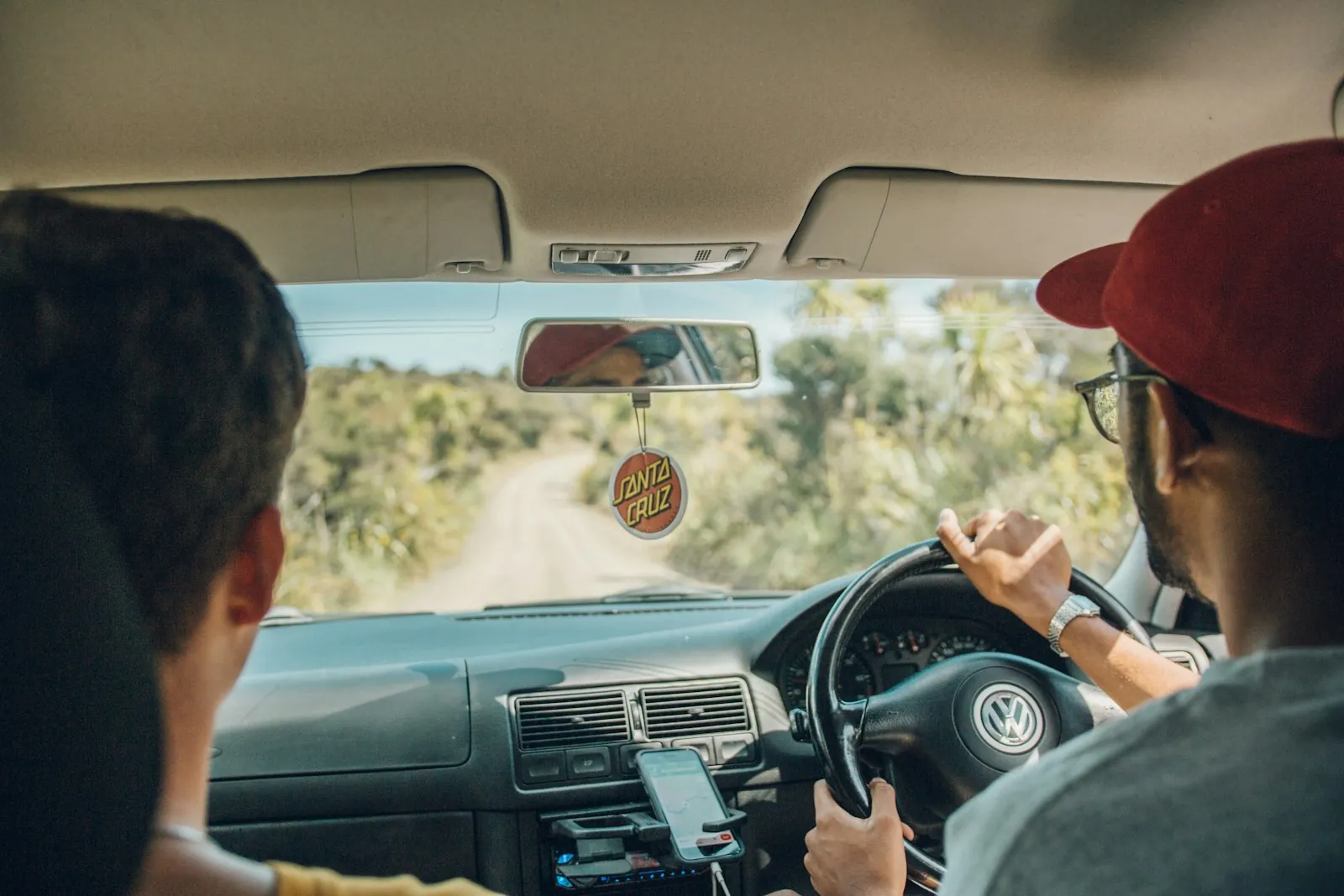
A Washington teen course mixes classroom learning with behind-the-wheel lessons.
The DOL's benchmark, when it reviews a course taken in another state, is 30 hours in the classroom and 6 hours behind the wheel.
At Kent Discount Driving School, the classroom part can be in person, online, or a mix of both. Class dates are posted on our Teen tab, so you can pick a session that fits around school.
Getting here is easy, too.
Our office on Pacific Highway South is a few minutes' walk from the Kent Des Moines light rail station, so a teen without a ride can come to class by train, and you don't have to leave work early twice a week.

Does your family speak another language at home? The DOL lists our Kent location with language support in Arabic, English, Farsi, Pashto, Russian and Somali.
Not every language is offered for every course, so ask us when you call.
The 50 practice hours happen with you
This is the part that's really yours.
Before the license, your teen needs 50 hours of supervised driving: 40 in daylight and 10 at night.
Check your own license first. The DOL's license page asks for a supervisor licensed at least three years, while its permit page says five years of driving experience, so the simple way to meet both is a supervisor with five years or more.
Then spread the hours out.
Two hours a week from the day the permit arrives gets you past 50 inside the six months your teen has to hold the permit anyway, and short, regular drives build habits better than a few long weekend marathons that leave everyone tired and short-tempered.
Your calm is the best thing you bring to the passenger seat
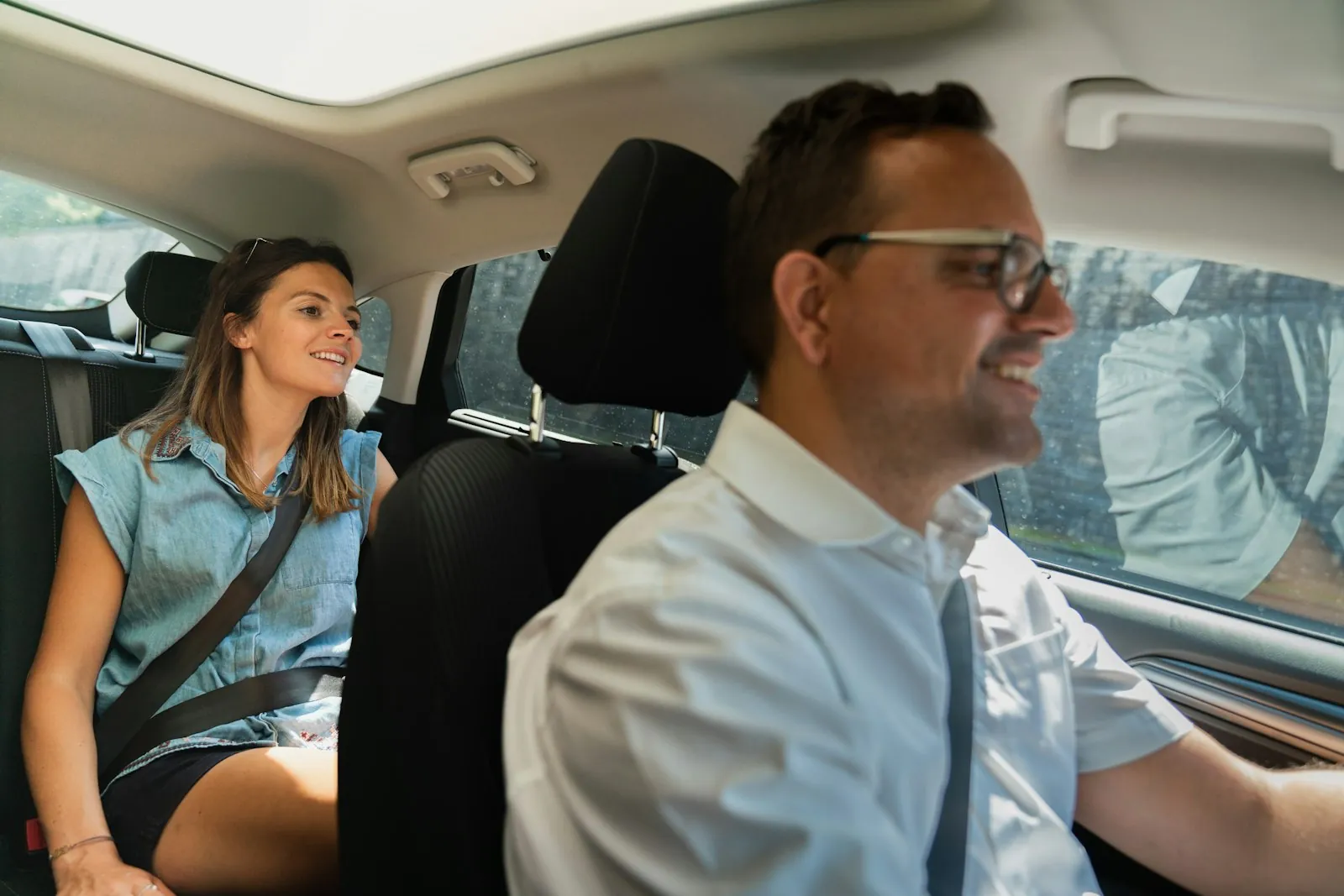
You don't need to be a driving instructor. You need to be steady.
Your teen takes their cue from your voice, so if you gasp at every parked car, they'll learn to drive nervous, and nervous drivers brake late and look in the wrong places.
A few habits make your practice drives calmer for both of you:
- Give directions early. "At the next light, we'll turn left." Not "Left here!"
- One instruction at a time. Your teen can't change lanes and take a lesson on mirrors at once.
- Talk about mistakes after you park. Not while the car is moving.
- End on something they did well. You want them asking for the next drive.
And if a practice drive goes badly? Pull over somewhere safe, swap seats, and try again tomorrow. That's a normal part of learning, not a sign your teen isn't ready.
Kent gives your teen every kind of road to practise on
Here's the good news about learning to drive in Kent.
Within a short drive of our office you'll find a busy multi-lane highway with buses and turn lanes, quiet residential streets, steep roads climbing from the valley floor to West Hill and East Hill, and I-5 for the first highway merges once your teen is ready for them.
Use them in that order.
- Empty parking lot: starting, stopping, steering, the first parking attempts.
- Quiet streets: stop signs, right turns, checking mirrors.
- A busy road: lane changes with a head check every time.
- Hills: starting on a slope, and hill parking (it comes up on the drive test).
- The highway: merging, keeping space, exiting calmly.
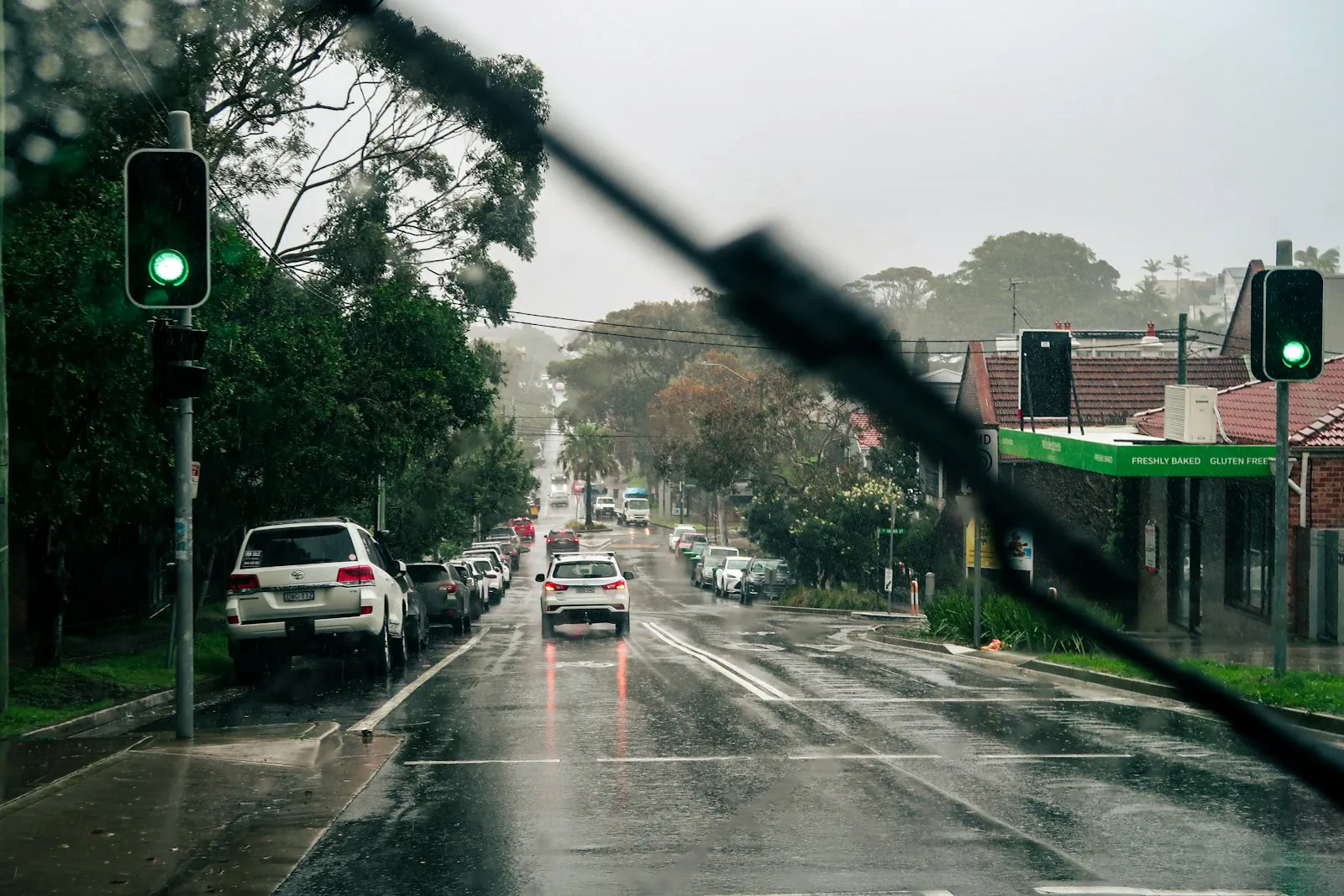
Save a few of the 10 night hours for rain. Your teen will drive in it all winter, so the first wet night shouldn't be the first solo one.
New from November 1, 2026: the work zone and first responder course
This one is brand new, so it may not be on your radar yet.
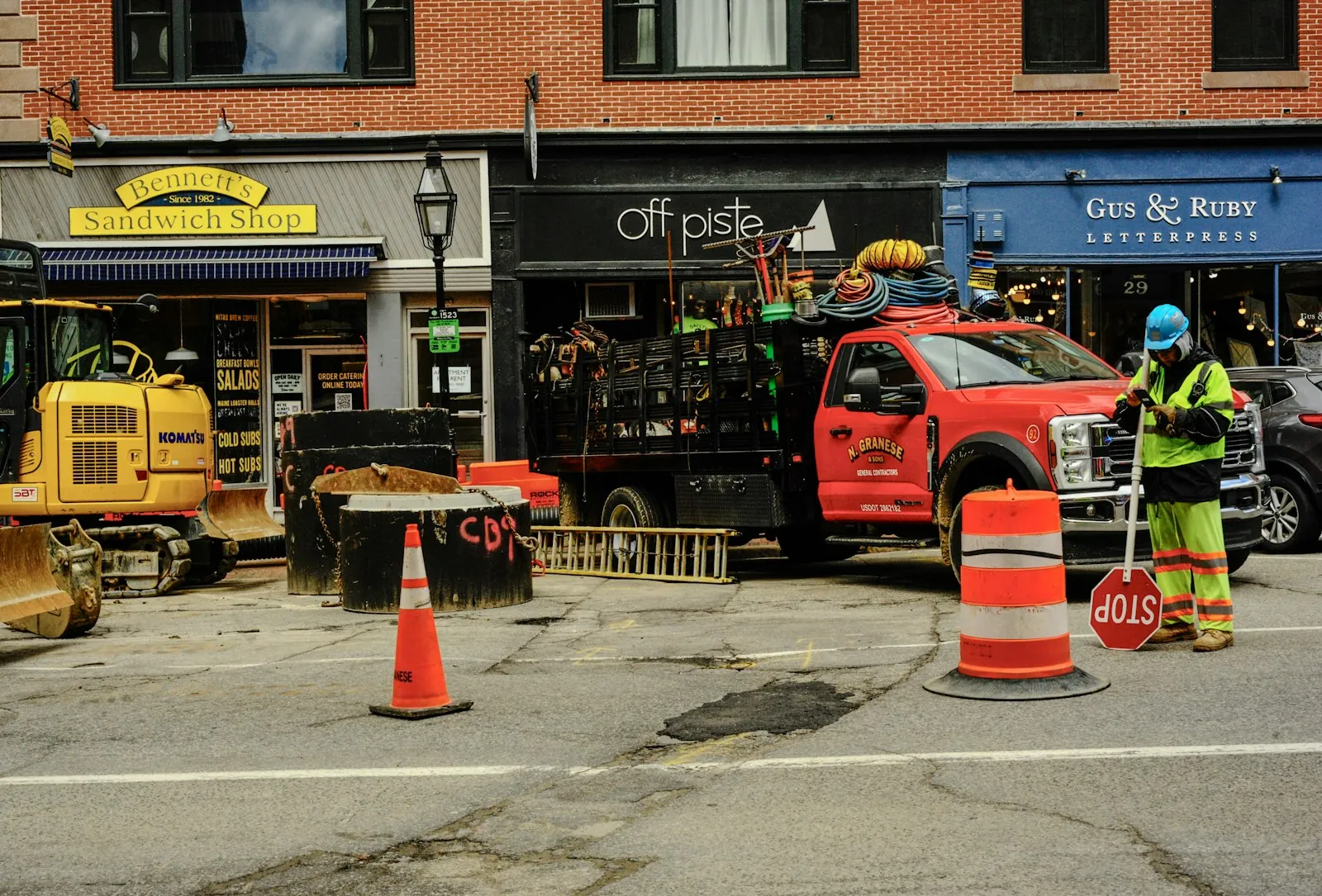
Starting November 1, 2026, anyone under 25 who gets a first Washington license must pass a free online course on work zone and first responder safety.
As the name says, it's about driving safely through work zones and around police, fire and medical crews at work on the road.
It's free. It's online. Put it on your teen's list before the drive test, so nothing holds up the license once they pass.
On test day, you'll be waiting in the office
You drove every practice hour. You won't ride along for the test.
Only your teen, the examiner, a service animal and an interpreter for a deaf or hard-of-hearing driver are allowed in the car (a DOL supervisor sometimes observes).
What you can do is make sure the car passes the examiner's check before the drive even starts. If any equipment doesn't work, there's no test that day, so check the brake lights, turn signals, seat belts, parking brake and passenger door with your teen the day before, and put proof of insurance in the glove box.
Our guide to the Kent drive test walks through every item the examiner scores.
The intermediate license: the rules your teen lives by until 18
Passing the test doesn't mean full freedom yet.
- Passengers, first 6 months: no one under 20, except immediate family.
- Passengers, next 6 months: no more than 3 under 20 who aren't immediate family.
- Night: no driving from 1 a.m. to 5 a.m. unless a licensed driver aged 25 or older is in the car.
- Phones: no wireless devices at all while driving, even hands-free, except to report an emergency.
The passenger and night limits end after one year of safe driving.
The phone rule stays until 18, when the intermediate license becomes a regular license on its own, without another trip to the licensing office.
Breaking the rules costs real time. A second violation suspends the license for six months or until 18, whichever comes first. A third suspends it until 18.
Write the passenger and night rules on a card and keep it in the glove box. Then nobody has to remember them in the moment.
Waiting until 18 won't skip driver's ed anymore
Maybe you've thought about waiting it out. Your teen turns 18, skips the course, takes the tests.
That plan is running out of road.
Under a 2025 state law, from January 1, 2027, a first-time applicant who is 18 must complete a driver training course before getting a license. The age band then widens every January: under 20 from 2028, under 21 from 2029 and under 22 from 2030.
The law does let the DOL delay the requirement if there aren't enough courses or instructors, so watch for updates. But the direction is clear.
The same law also brings in a safe driving course, starting in 2027, for drivers aged 18 to 24 who pick up two moving violations.

So if your 17-year-old is ready now, the course is the straightest path either way.
Your checklist, start to finish
- Enroll in driver's ed and apply for the permit at 15.
- Check that the main supervisor has five or more years of driving.
- Plan two practice hours a week, and log every drive.
- Save some night hours for rain.
- Finish the free work zone and first responder course (first licenses from November 1, 2026).
- Book the knowledge and drive tests at our Kent office.
- Keep the intermediate license rules in the glove box.
See Kent's teen class dates
Pick a class and enroll online, or call us with questions. We're open 10 AM to 6 PM, every day.
See teen classesSources
- Washington DOL, Driver license application: ages 16 to 17
- Washington DOL, Get your learner permit
- Washington DOL, Teen restricted (intermediate) license violations
- Washington DOL, Work zone and first responder course
- Washington State Legislature, HB 1878 (2025), Chapter 299, Laws of 2025