Your Washington drive test is a checklist. The Department of Licensing publishes it. You can read it before your test in Kent, and you should, because every item on it is something you can practise this week.
You can take both tests right here in Kent
Kent Discount Driving School is on the Washington DOL's official list of driver training schools and testing locations.
That means both tests happen at our office: the knowledge test and the drive test (the DOL calls it the skills test).
We're at 23231 Pacific Highway South, in Kent's Midway neighborhood, a few minutes on foot from the Kent Des Moines light rail station. So you can learn, practise and test with the same people, in the same part of town, without driving across the county for your appointment.
One timing rule matters. After you pass the knowledge test, you have two years to pass the drive test.
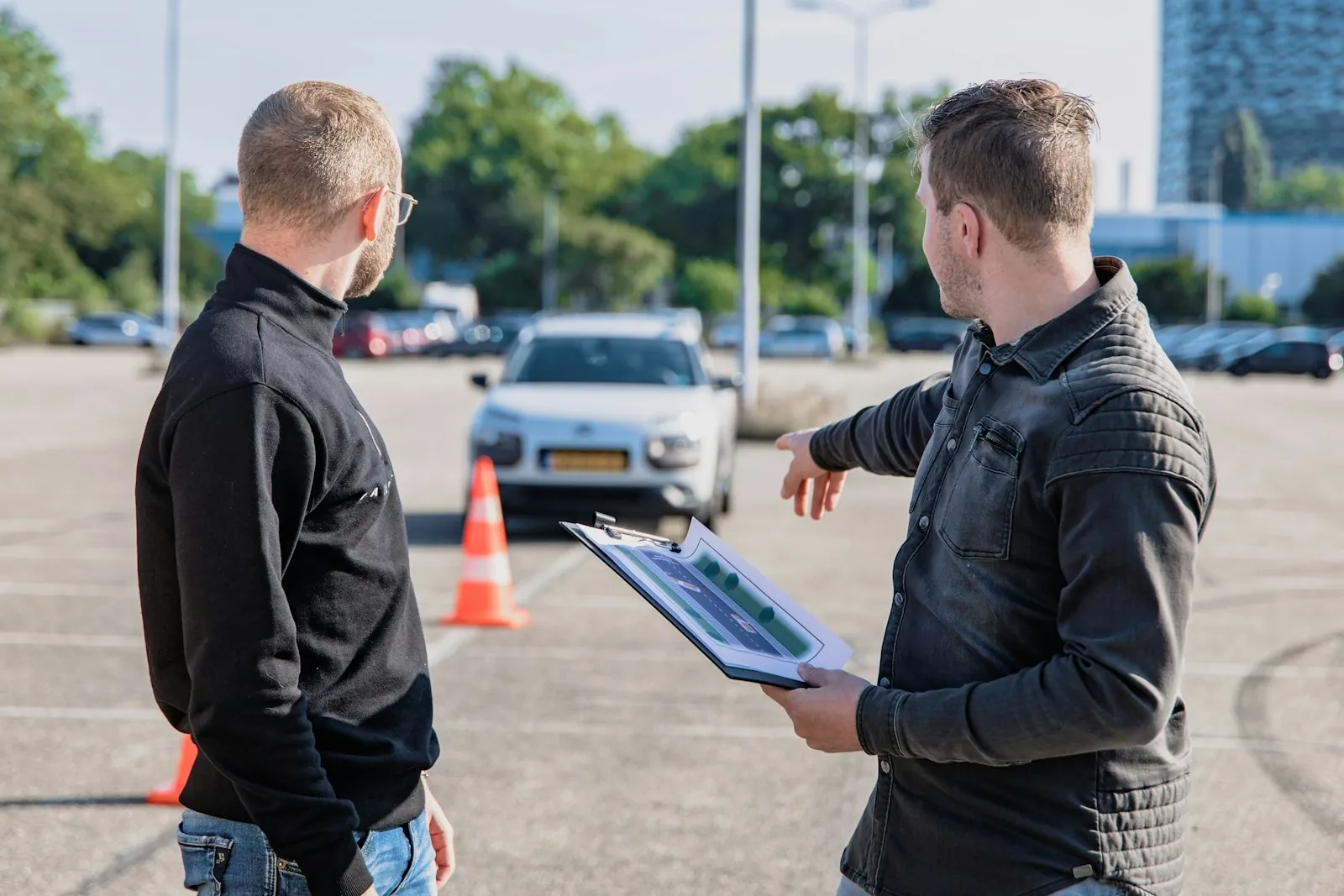
It's just you and the examiner in the car
Can a parent ride along? No.
The DOL allows only you, the examiner, a service animal and an interpreter for a deaf or hard-of-hearing driver in the car.
Sometimes a DOL supervisor or an examiner in training sits in to observe. If you'd rather they didn't, say so at the start of the test.
No weapons are allowed in the vehicle, either.
So the person who drove you to practice every weekend waits in the office, and that's fine, because by test day the habits should be yours, not theirs.
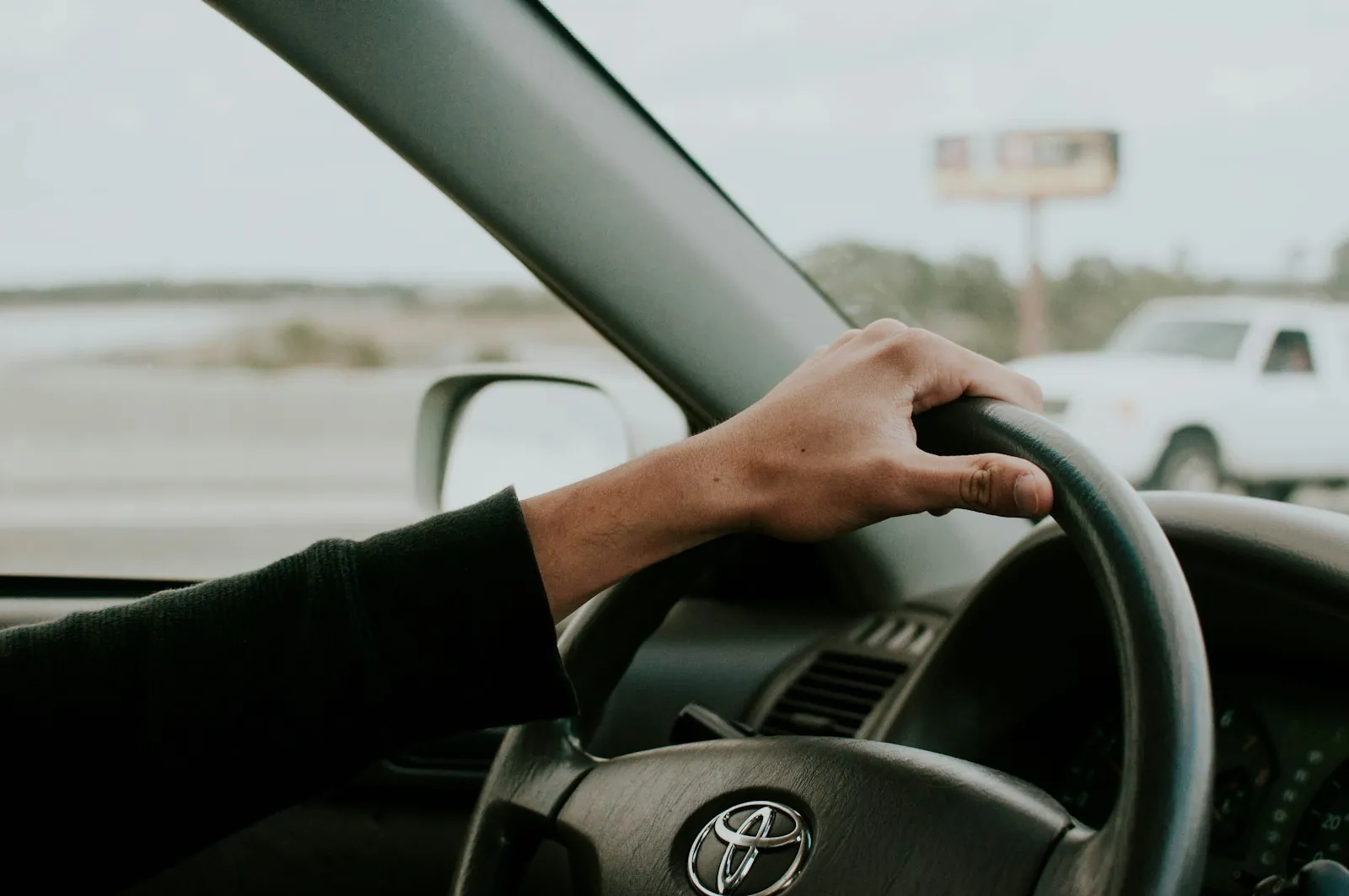
Your test starts before the engine does
Here's the part nobody warns you about.
Before you drive anywhere, the examiner checks the car itself, and if any piece of equipment isn't working, the DOL says plainly that the examiner will not conduct your test.
That's a lost appointment over a bulb. Walk around your car the day before and check:
- Brake lights, including the center one up high
- Turn signals, front and back
- Seat belts that lock and unlock
- The parking brake
- The windshield (no cracks or stickers blocking your view)
- The passenger door, which has to open from inside and outside
- Your window, which has to roll down far enough for hand signals
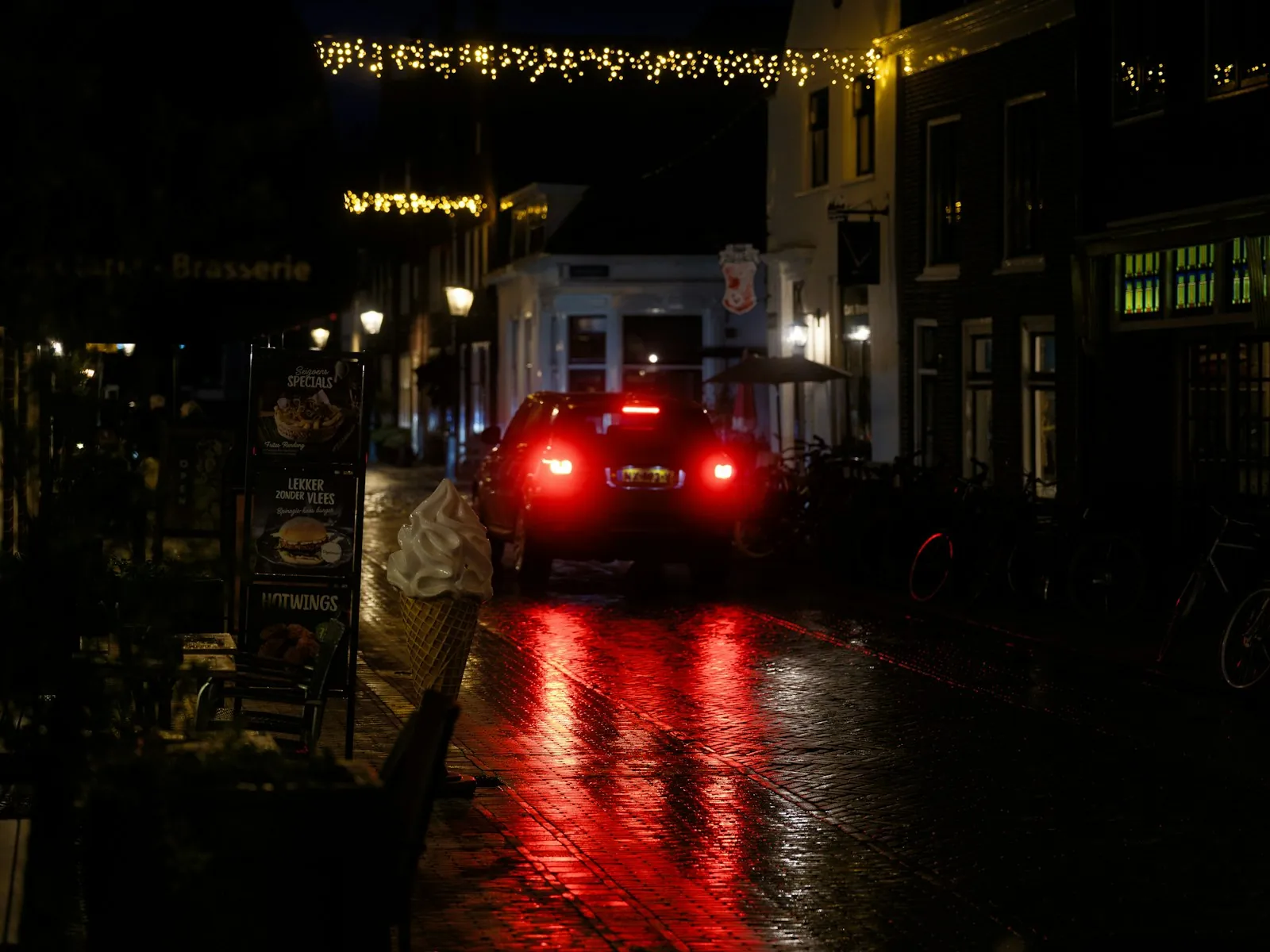
Rain changes the list. If the weather calls for them, your wipers, headlights and defroster get checked too, and in a Kent October, the weather usually calls for them.
Bring proof of insurance as well. It has to show the policy holder, a description of the car, and the policy's start and end dates.
Delays in showing it can get your test rescheduled.
- Have someone stand behind the car while you press the brake.
- Test the wipers and the defroster, even on a dry day.
- Put the insurance card in the glove box the night before.
Turn your head, not just your eyes
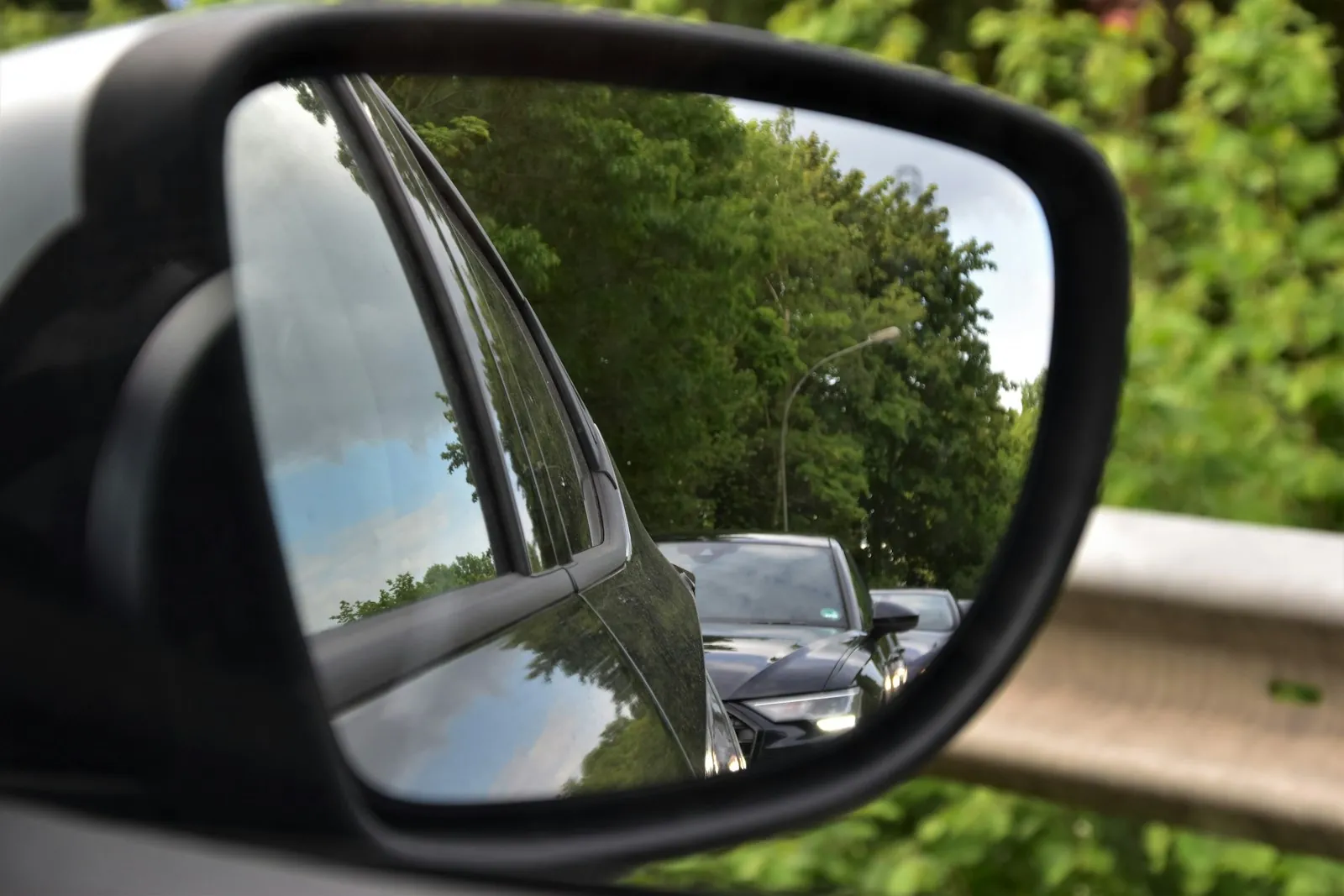
The examiner sits beside you. They can't see your eyes flick to the mirror, but they can see your head turn.
Head checks are on the DOL's list for lane changes. So make them obvious.
We teach it as SMOG: Signal, Mirror, Over-the-shoulder, Go. Every lane change. Every pull away from the curb. Every time.
Why does this matter so much around our office? Pacific Highway South is a busy multi-lane road with driveways, turn lanes and RapidRide A Line buses pulling in and out of their stops, which means you'll change lanes more often here than on a quiet residential street, and each one is a chance to show the habit.
Leaving the curb is the first thing you're scored on
The drive itself starts with a small moment that's easy to rush.
The DOL scores how you leave the curb: signal first, check behind you, and wait for a safe gap.
Not a gap you can squeeze into. A safe one.
On a road as busy as Pacific Highway South, that can mean waiting longer than feels comfortable while the examiner sits quietly next to you, and that's exactly what they want to see, because patience at the curb tells them a lot about how you'll handle the rest of the drive.
Stop fully, and stop in the right place
A rolling stop is the habit experienced drivers pick up without noticing. It costs you on a test.
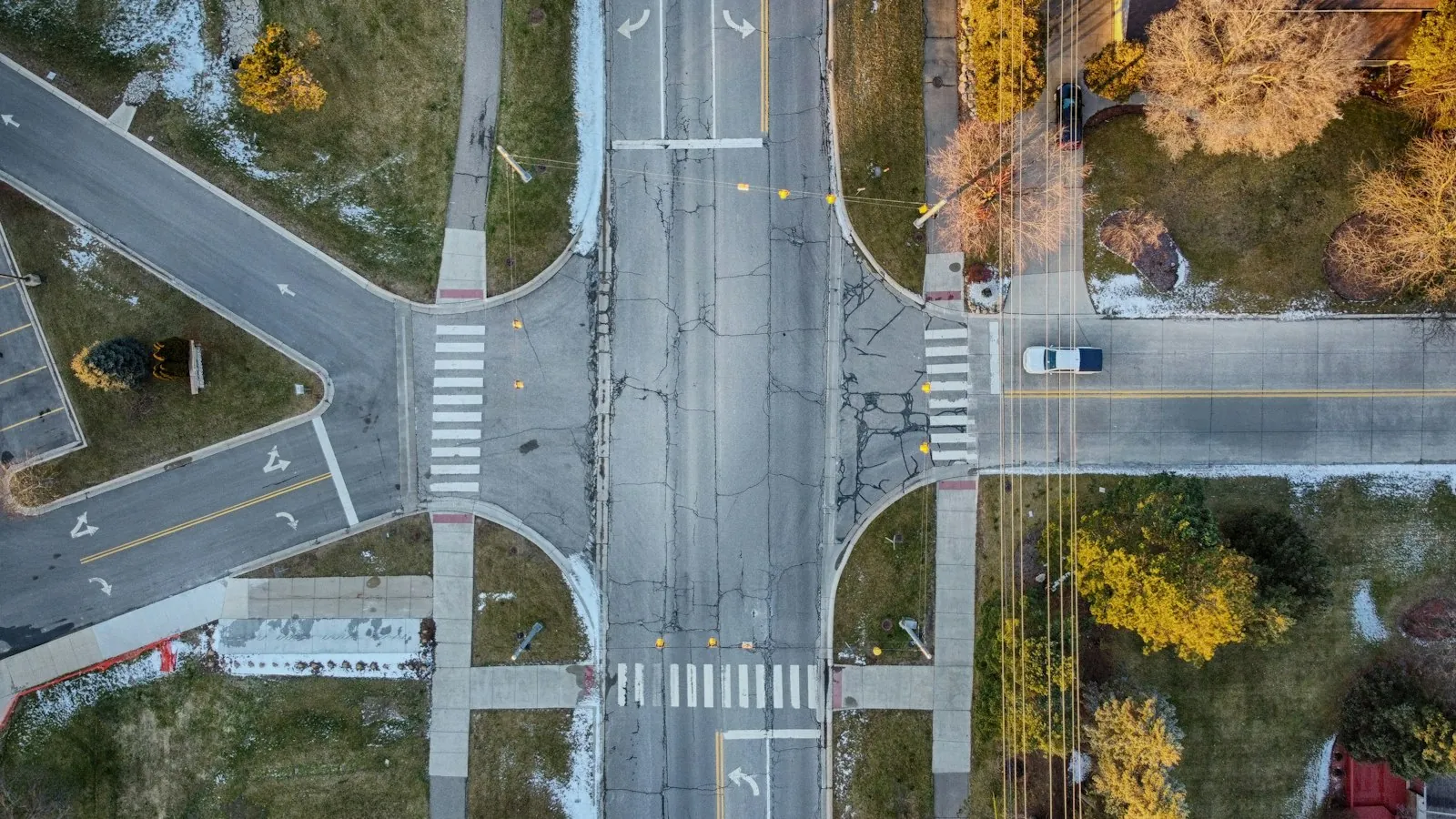
Washington's rule: stop at the stop line. No line? Stop at the crosswalk. No crosswalk? Stop at the corner.
Here's a trick from the state's own driver guide: when the stop line sits under your side mirror, you're about three to six inches from it.
Stop fully first. Then, if your view is blocked, creep forward slowly to look.
You'll also do a brake reaction test. The examiner asks you to keep your foot on the gas, then stop as fast as you can when they tell you to.
(It feels strange to brake hard on purpose. Practise it once in an empty parking lot so the first time isn't on test day.)
Turn into the nearest lane, and stay in it
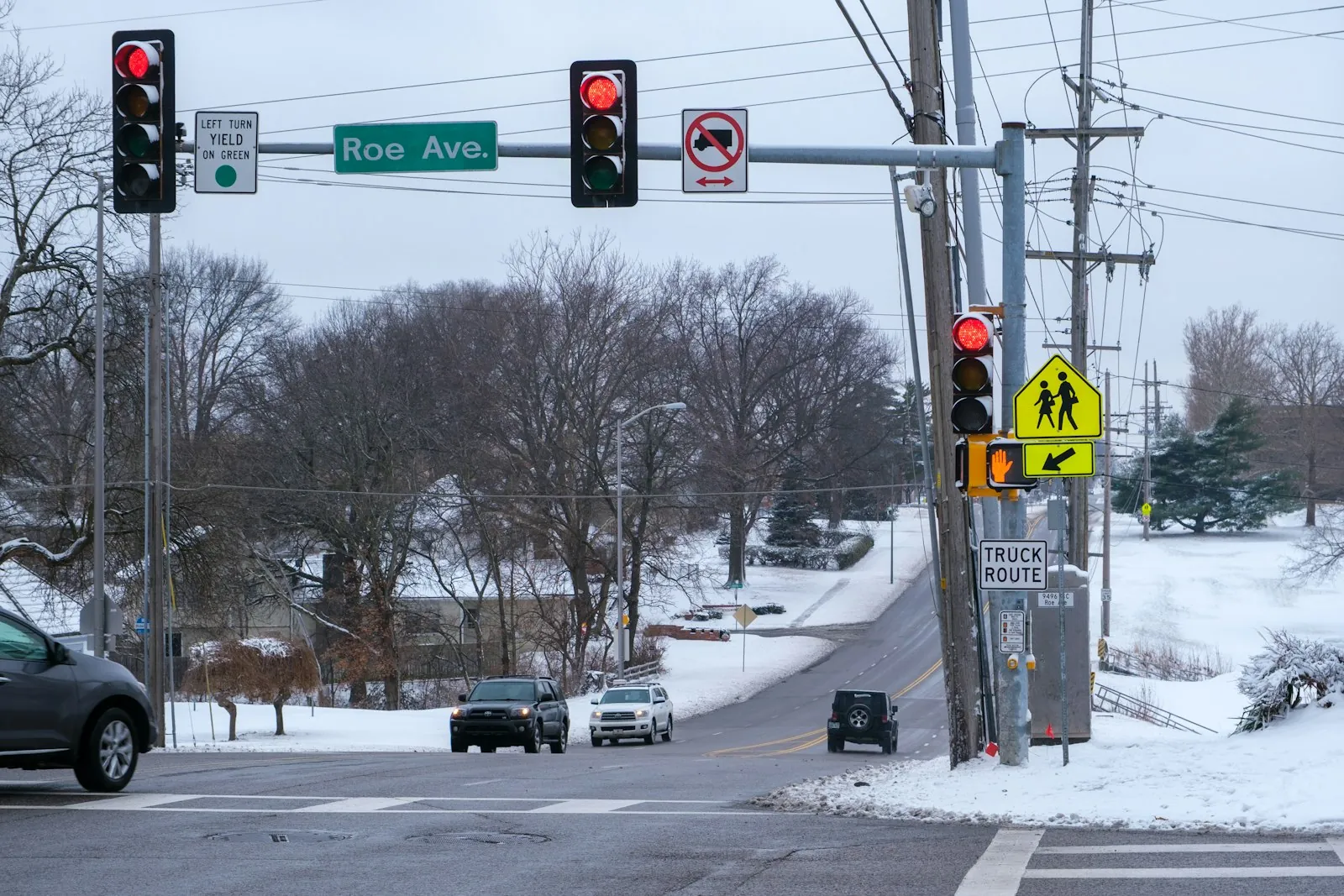
Correct turn lanes are on the examiner's list, under obeying signals and signs.
The simple version: turn into the lane closest to you. Left lane to left lane. Right lane to right lane.
Wide turns are the usual mistake.
On a multi-lane road it's tempting to swing across into whichever lane looks emptiest, but finish the turn in the nearest lane first, keep the car centered, and only then signal, check your mirror, turn your head and change lanes if you need to.
Match your speed to the road, the weather and the light
Driving at the limit isn't the goal.
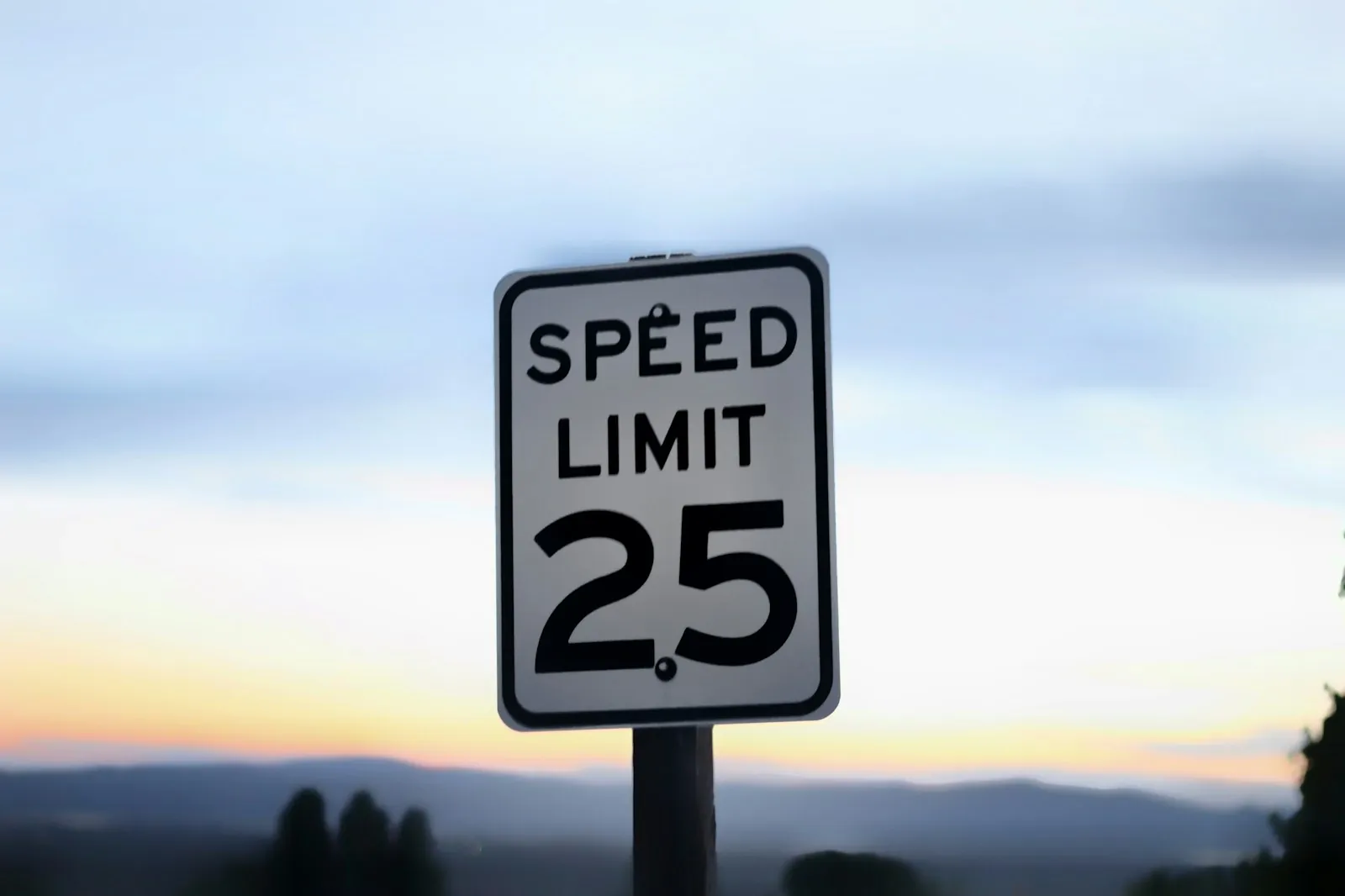
The DOL scores whether your speed fits the traffic, the road, the weather, construction and the light. On a wet November afternoon, the right speed is often below the number on the sign.
Two things to watch for in particular:
- School zones. The school zone limit in Washington is 20 mph.
- Work zones. Cones, flaggers and narrowed lanes mean slower, steadier driving. (If you're under 25 and get your first license on or after November 1, 2026, you'll also take a free online work zone and first responder safety course.)
And plan for the dark. In December the sun sets before 4:30 in the afternoon here, so a late test can mean headlights, glare on wet pavement and pedestrians who are much harder to see.
Kent's hills are your reason to practise hill parking
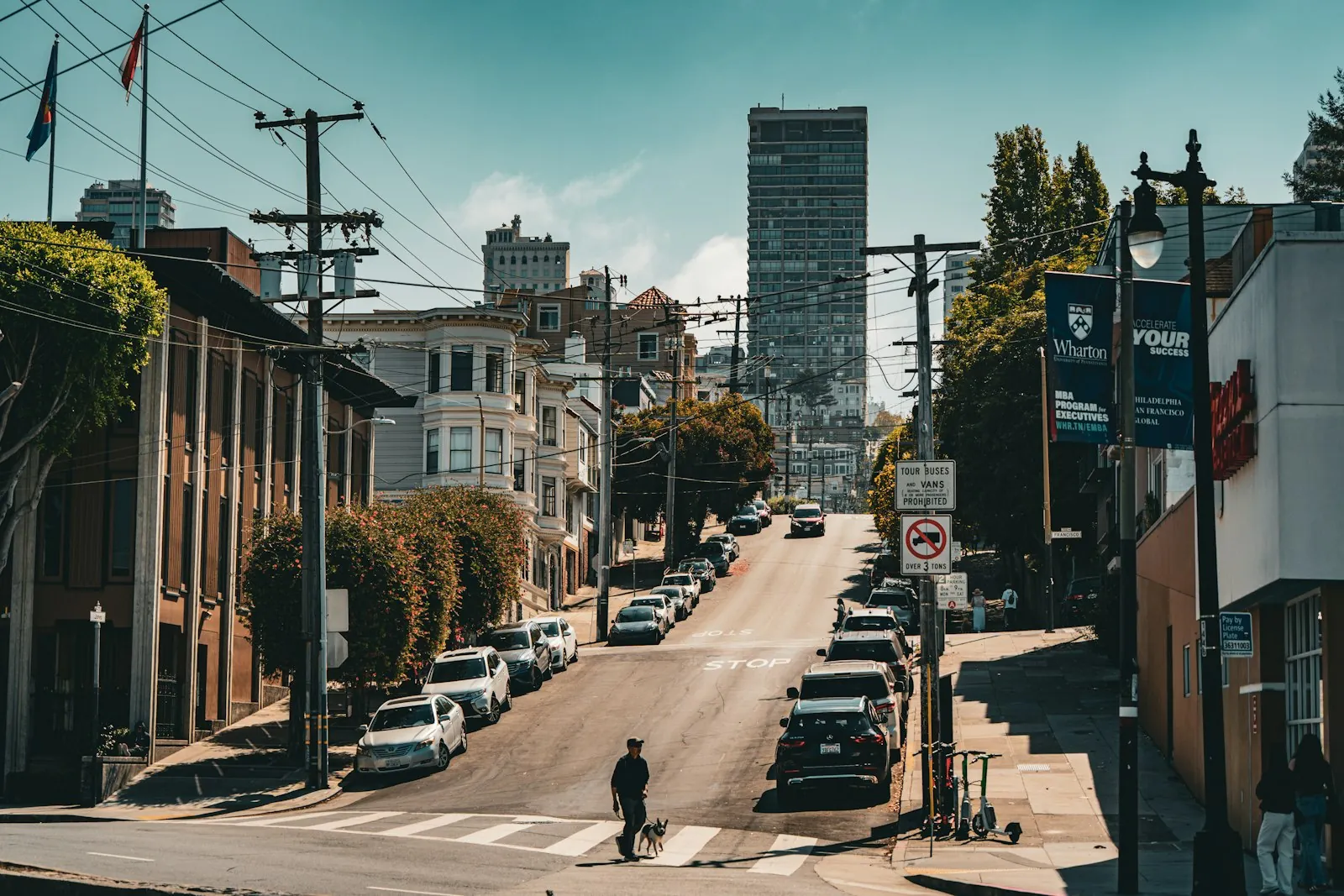
Kent is a valley town with a hill on each side: West Hill and East Hill.
That's good news for your test. Parking on a hill is one of the maneuvers the examiner asks for, and you won't have to look far for a slope to practise on.
The examiner wants you to park as if you were leaving the car unattended. Here's how the state's driver guide says to turn your wheels:
- Downhill, with a curb: turn toward the curb until the front of your front tire touches it.
- Uphill, with a tall curb: turn away from the curb until the back of your front tire touches it.
- No curb: turn your wheels toward the edge of the road.
Then set the parking brake. Every time.
Parallel parking and backing: practise without the gadgets
Your car may beep, show a camera view and even steer itself into a space. On the test, you parallel park without parking assist features.
So switch them off now and practise the way you'll be tested.
Two backing maneuvers are on the list as well. You'll back in a straight line while looking over your right shoulder, and you'll back around a corner to the right, staying close to the curb, then keep backing straight until the examiner tells you to stop.
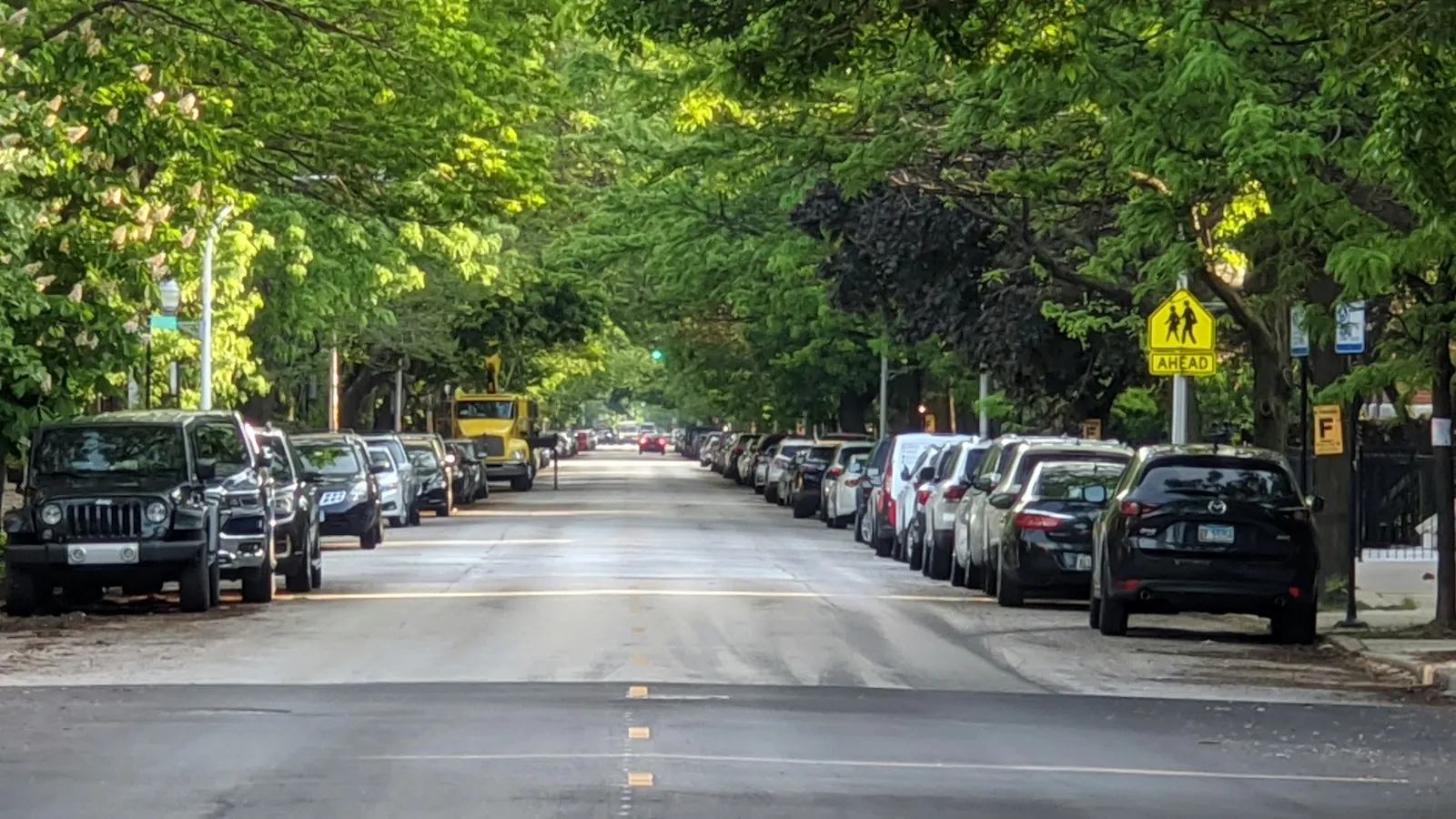
- Arm signals for turns, slowing and stopping
- The brake reaction stop
- Parking on a hill
- Parallel parking, no parking assist
- Backing straight, and backing around a corner to the right
Watch for people, not just cars
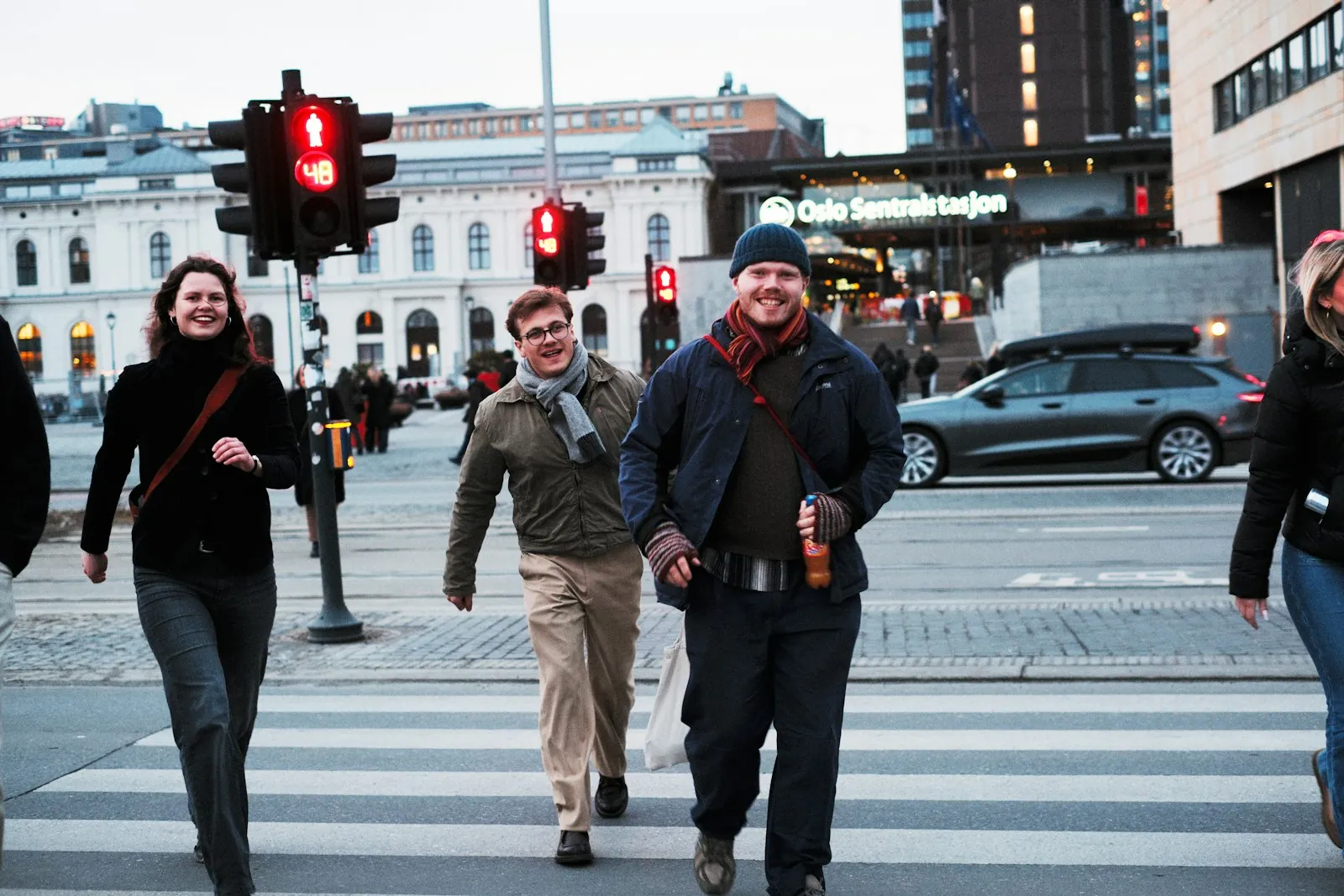
The examiner also scores the space you give to people on or near the road, and how courteous you are to pedestrians and bicyclists.
Around our office that matters more than you'd think. With the light rail station and Highline College close by, there's foot traffic on the side streets and at the crossings.
Remember the state's rule: pedestrians and bicyclists have the right of way at crosswalks and intersections, whether the crosswalk is painted or not.
A practice plan for the week before your test
Don't try to memorize a route. Practise the skills the examiner scores, on the kinds of roads you'll find near the office: a busy highway, quiet side streets and a hill or two.
- Walk around the car and fix anything that doesn't work.
- Ten head-checked lane changes on a busy road.
- Full stops at every sign, with the line under your mirror.
- Hill parking, uphill and downhill, curb and no curb.
- Five parallel parks with the parking assist switched off.
- Backing straight, then around a corner to the right.
- One drive at dusk or in the rain, slower than the limit.
Ready to book your Kent drive test?
Book a test or a practice lesson online, or call us. We're open 10 AM to 6 PM, every day.
See test times and pricesSources
- Washington DOL, What to expect on your drive test
- Washington DOL, Washington State Driver Guide
- Washington DOL, Driver training schools and testing locations